The Price of Power: Rising Nomination Fees and Nigeria’s Democracy
By Uche Kalu, Awka
In a country where millions struggle with rising living costs, the price of political participation in Nigeria is climbing sharply, prompting fresh concern about who gets to lead.
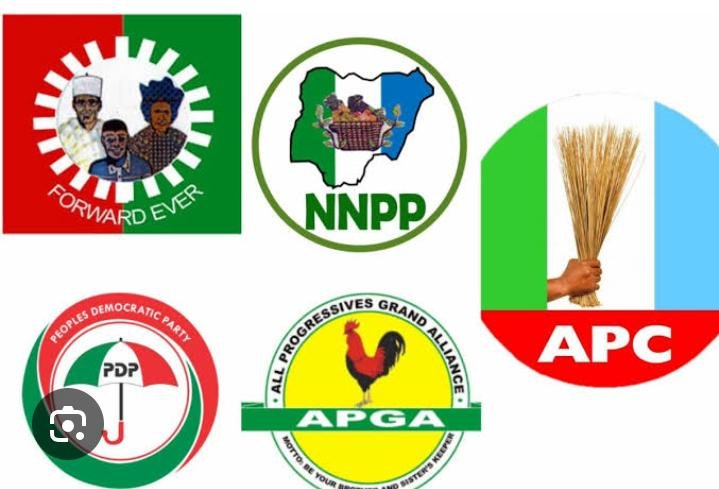
New figures from major parties show just how high the bar has been set. The All Progressives Congress (APC) has fixed its presidential nomination form at ₦200 million. Governorship aspirants must pay ₦150 million, while senatorial hopefuls face ₦100 million. Even seats in the House of Representatives, once relatively accessible, now cost up to ₦70 million.
For critics, these sums are more than administrative costs. They are barriers.
What was once framed as a civic right is increasingly viewed as a privilege for those with deep pockets or powerful backers. As the cost of entry rises, the space for broad participation narrows.
The effect is particularly stark for young people, professionals and grassroots leaders—many of whom may have the ideas and credibility to lead but lack the financial means to compete. In a country facing unemployment and widening inequality, the notion that public office can be effectively priced out of reach raises questions about fairness and representation.
There is also concern about what such fees encourage. Analysts warn of a political system shaped by money, where candidates depend on wealthy sponsors. That, in turn, risks deepening political patronage and weakening accountability, as elected officials may feel indebted to financiers rather than voters.
The implications for governance are significant. When access to the ballot is influenced by wealth, merit can be sidelined. The result, critics argue, is a cycle of familiar faces, limited innovation and declining public trust.
Attention is now turning to regulators, including the Independent National Electoral Commission (INEC). While parties have internal autonomy, there are growing calls for safeguards to ensure their processes reflect democratic principles.
Civil society groups are also being urged to respond, amid fears that high nomination fees could further distance citizens from the political process.
At its core, the issue is simple: whether democracy remains open to many—or becomes accessible only to a few.
As debate intensifies, so too do calls for reform. For many observers, the stakes go beyond party politics. They go to the heart of Nigeria’s democracy, and the question of who it is really for.